
Understanding Loss in Indian M&A Deals | Doing Business in India | Episode 35
GeneralOctober 28, 2026
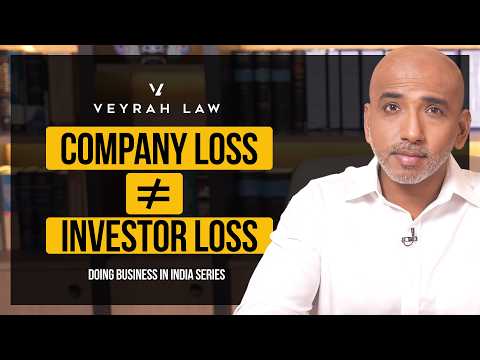
Loss is one of the most heavily used terms in Indian M&A and investment agreements. But a ‘loss’ to the company and a ‘loss’ to an investor are not the same thing under Indian law.
In this episode of the Veyrah Law series, Ajay Joseph (Partner) unpacks a distinction that trips up even experienced dealmakers: a warranty breach usually causes a loss to the target company, not to the shareholder. Under Indian law, a shareholder has no legal right over the company's own property. A hit to the company's balance sheet does not automatically become a ‘Rupee for Rupee’ claim in the value of the shares, unless it can actually be shown to have moved that value.
Parties have tried to draft around this with deeming clauses and gross-up provisions, treating a company loss as an automatic ‘Rupee for Rupee’ shareholder claim. But these are far weaker than they look on paper since Indian courts require proof of actual, reasonable loss; not a label in a document. This episode sets out a practical framework for both sides of the table: a direct, company-level remedy on a secondary acquisition; a narrow, fraud-based standard for founder liability on a primary investment; and where a seller should actually spend their negotiating capital instead of fighting over the definition of ‘loss’ itself.
For anyone drafting, negotiating, or enforcing loss and indemnity provisions in an Indian M&A or investment deal, this episode is essential viewing on what the law will actually give effect to.

Keywords
- De Minimis and Tipping Basket: Threshold mechanisms in an indemnity clause excluding minor claims below an agreed value.
- Deeming Clause: A contractual provision that treats a company’s loss as automatically and equally a loss to the shareholder.
- Diminution in Share Value: The reduction in share value caused by a warranty breach.
- Gross-Up Provisions: A drafting mechanism designed to restore a claimant to the full value of a loss, before any deductions.
- Primary Investment: A transaction where fresh capital is invested into the company itself, rather than paid to existing shareholders.
- Secondary Acquisition: A transaction where a buyer purchases existing shares from current shareholders, rather than investing fresh capital.
- Warranty and Indemnity Insurance: Insurance covering loss from a breach of warranty, used by sellers or buyers instead of a holdback.
- Warranty Breach: A breach of a factual statement given in a transaction document, giving rise to a claim if it causes loss.
Timestamps
Production Date:
Recorded on 11 September 2026